



I-94 in Southeastern Wisconsin is Already an EV Corridor and More Charging Stations Are Likely to Come

Feb 23, 2024, 5:57 AM CT


Share
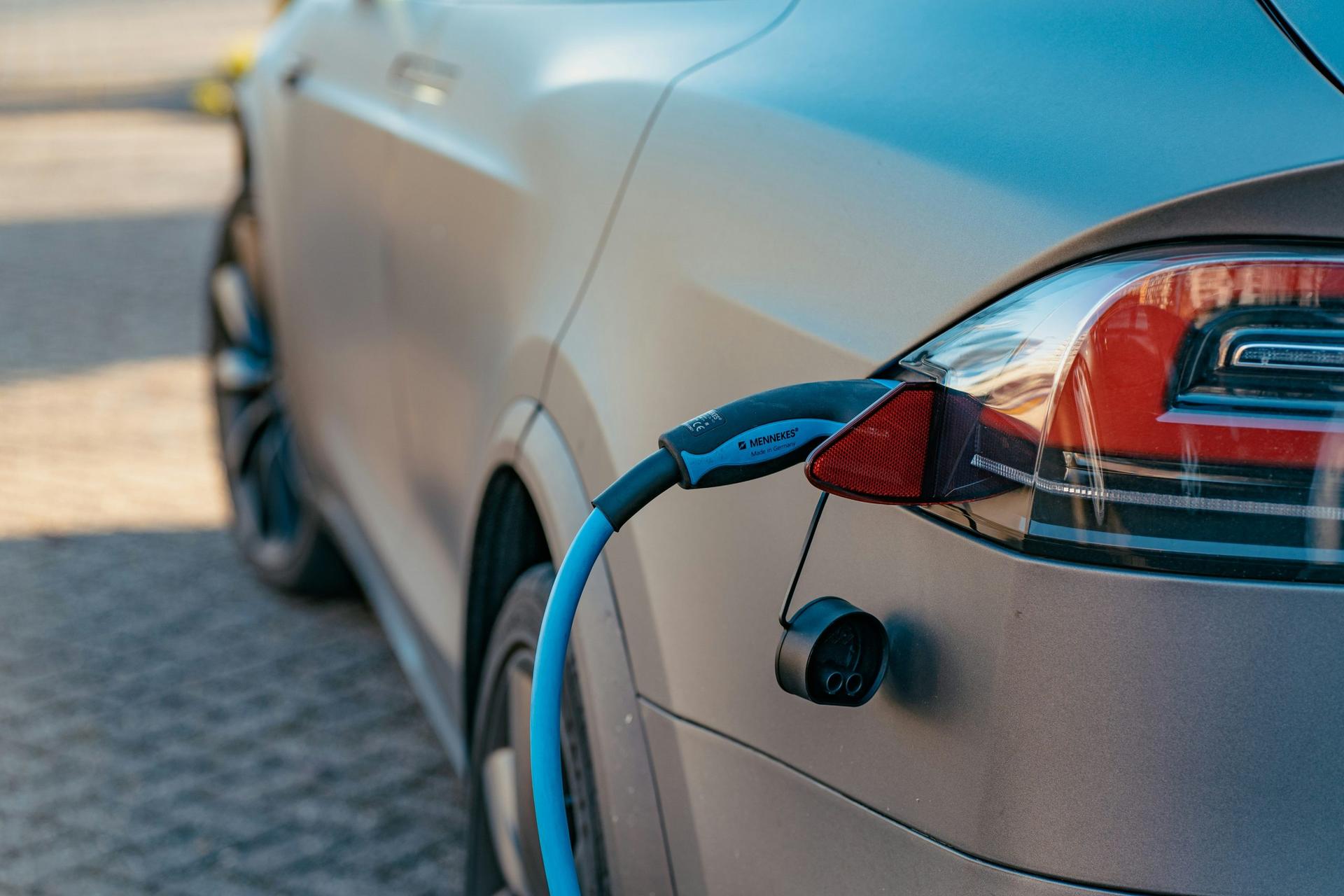
Madison, Wis (Civic Media) – I-94 in Southeastern Wisconsin is set to become an even more EV-friendly stretch of road, as leaders in Madison have approved bills to expand EV charging stations along the route and across the state. With almost $80 million in federal funds, the state plans to enhance its EV infrastructure and promote consumer choice.
One of the bills, SB 791, was passed by a vote of 94-2 in the Assembly. It allows non-utilities, such as convenience stores and grocers, to sell electricity to EV owners. The bill also mandates charging by kilowatt-hour and introduces a 3-cent tax per kilowatt hour at fast chargers. This tax aims to compensate for the reduction in gasoline sales and help recover lost revenue.
An amendment was added to the bill, preventing local governments from requiring new construction projects to include EV charging stations. The measure will now return to the Senate for further consideration. The opposition to these bills was minimal, with Democratic Representatives Darrin Madison and Ryan Clancy being the only members opposed.
The federal funds, totaling $78.6 million, were made available through the $1 trillion federal infrastructure law. To comply with federal government rules, the money must be directed to private businesses rather than government entities. It also requires the businesses to sell electricity based on quantity, not time spent at the charger.
Another bill, SB 792, was passed by a vote of 95-1. This bill authorizes the Department of Transportation to accept the federal funds and issue grants to private businesses for the construction of fast charging stations. The only opposition came from Representative Shae Sortwell.
Since 2020, drivers traveling along I-94 between the Wisconsin-Illinois border and Madison have seen signs indicating the presence of readily-available electric charging stations. This section of I-94 has been designated as an ‘Alternate Fuel Corridor’. The signs indicate the availability of a DC Fast Charger at least every 50 miles along the 110-mile stretch of the route.
While these signs label the corridor, they do not direct drivers to specific charging stations. The aim is to provide a consistent reference point for EV users along the route.

Stuart J. Wattles is Southeastern Wisconsin News Director and the voice of newscasts on WRJN and WAUK. Email him at [email protected].
Want More Local News?
Civic Media
Civic Media Inc.
The Civic Media App
Put us in your pocket.